How to Know If Your Invention Will Sell Before You Spend Money
Jul 07, 2026
How to Know If Your Invention Will Sell Before You Spend Money
gkjfij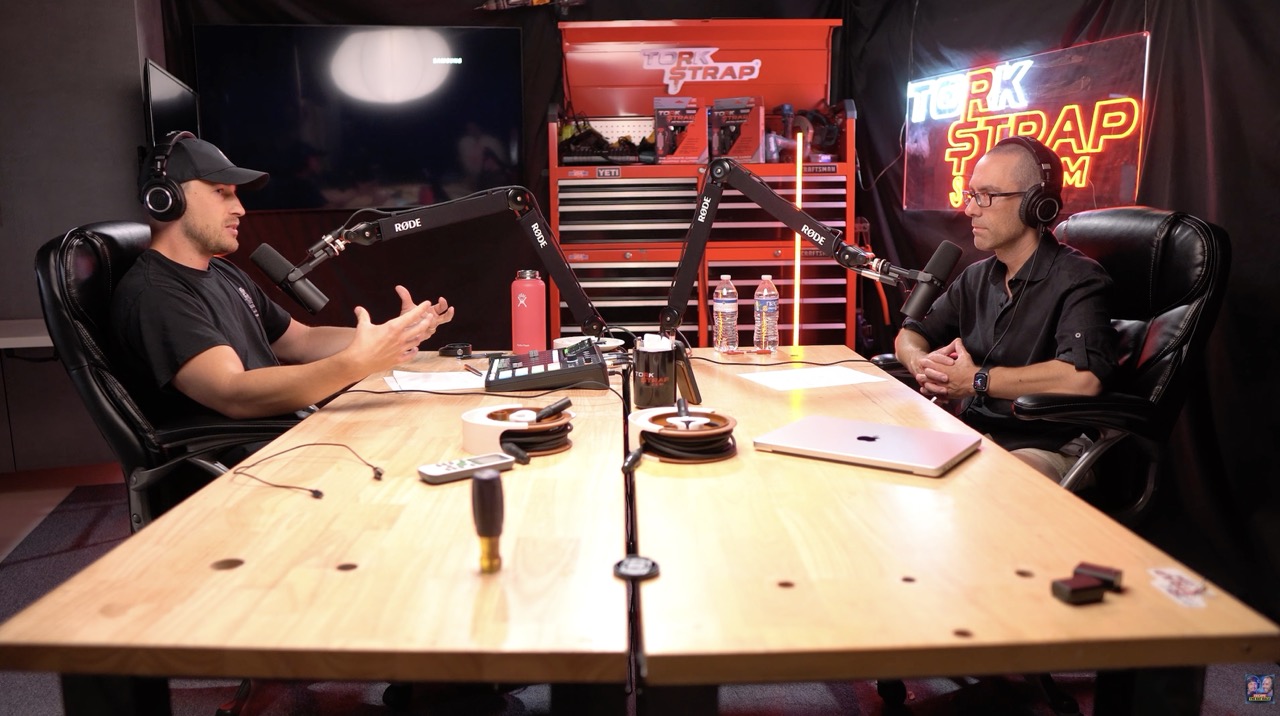
^Grant Martin interviewing Jason Voiovich on the product development process in episode 57 of The Invent With Me Podcast
You cannot know with absolute certainty whether your invention will sell before launch. But you can look for evidence before you spend serious money.
Your invention is more likely to sell if it solves a clear problem for a specific buyer, improves on current alternatives, gets interest from people outside friends and family, can be tested cheaply, and leaves room for profit after production, shipping, marketing, and sales costs.
The mistake many inventors make is confusing compliments with validation. Someone saying “that’s a cool idea” is not the same as someone asking the price, joining a waitlist, testing a prototype, placing a preorder, or asking when they can buy.
Before you pay for patents, prototypes, market research, invention promotion services, manufacturing, branding, ads, or licensing help, look for real demand signals first.
Not sure where to start? Take the Free Inventor Validator before you spend money on the next step.
Quick Answer: How Do You Know If Your Invention Will Sell?
Your invention may sell if:
- The problem is specific and easy to explain.
- A clear buyer already feels the problem.
- Current alternatives are weak, expensive, annoying, or incomplete.
- Strangers understand the value quickly.
- People ask price-related questions.
- People join a waitlist, preorder, or give contact information.
- You can test a rough version cheaply.
- The numbers leave room for profit.
- You know where the first buyers will come from.
Demand signal: A demand signal is a real action that suggests someone may buy your invention, such as asking about price, joining a waitlist, preordering, requesting a demo, testing a prototype, or sharing the product with another buyer.
Invention idea validation: Invention idea validation means gathering evidence that a product idea solves a real problem for a specific buyer before spending heavily on patents, prototypes, manufacturing, marketing, or invention services.
You Cannot Predict Sales Perfectly - But You Can Test Demand
No one can guarantee that an invention will sell before it reaches the market.
Not an invention company.
Not a market research report.
Not a patent.
Not a prototype.
Not a consultant.
Not your friends and family.
The goal is not perfect certainty. The goal is reducing risk before you spend money.
The U.S. Small Business Administration explains that market research helps business owners understand demand, market size, market saturation, pricing, and customer behavior. It also notes that direct research, such as surveys, questionnaires, focus groups, and interviews, can help you understand your specific audience. Source: SBA market research and competitive analysis.
That matters for inventors because an invention is not just an idea. It is a possible product business.
A product must survive the real market:
- Do people understand it?
- Do they want it?
- Do they already use something else?
- Will they pay enough for it?
- Can you make it affordably?
- Can you reach buyers without overspending?
- Can the margins work?
A patent may protect an idea, but it does not prove demand. A prototype may show how something works, but it does not prove people will buy. A polished presentation may look impressive, but it does not prove the product has a business model.
Real validation comes from buyer behavior.
What Counts as a Real Demand Signal?
A demand signal is stronger than an opinion.
Weak signal:
“That’s a great idea.”
Stronger signal:
“How much is it, and when can I buy one?”
Weak signal:
“My family thinks it’s useful.”
Stronger signal:
“Thirty people from a niche Facebook group joined the waitlist after seeing a short demo.”
Weak signal:
“A company told me my invention has potential.”
Stronger signal:
“Potential buyers tested the rough prototype and asked for specific improvements.”
The more action someone takes, the stronger the signal.
Here is the hierarchy:
|
Signal Type |
Example |
Strength |
|
Compliment |
“Cool idea.” |
Weak |
|
Curiosity |
“How does it work?” |
Mild |
|
Price interest |
“How much would it cost?” |
Moderate |
|
Contact capture |
Waitlist signup or email opt-in |
Strong |
|
Use-case request |
“Can it work for my situation?” |
Strong |
|
Prototype test |
Someone tries it and gives practical feedback |
Strong |
|
Preorder or deposit |
Someone commits money |
Very strong |
|
Retailer or buyer inquiry |
A store, distributor, or business asks about supply |
Very strong |
Your job is to move from opinion to behavior.
9 Signs Your Invention May Actually Sell
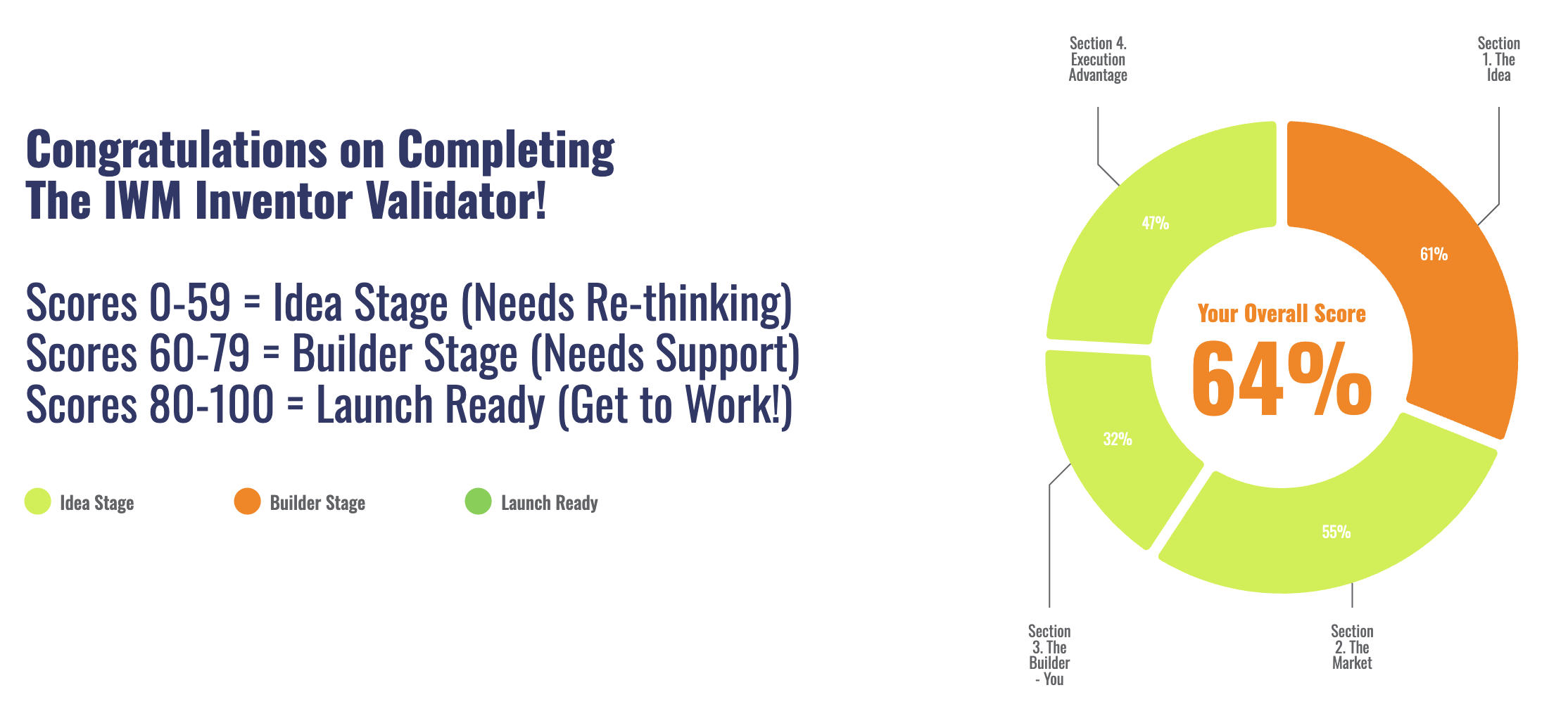
^The Results Page from the free Inventor Validator tool
1. The Problem Is Specific and Easy to Explain
If people do not understand the problem, they will not understand why they need the product.
A weak product description starts with the invention:
“I made a new kitchen gadget.”
A stronger description starts with the problem:
“Home cooks with small kitchens need a safer way to store sharp knives without using counter space.”
The second version is better because it names the buyer, problem, and use case.
Ask yourself:
- What problem does this solve?
- Who experiences the problem?
- When does the problem happen?
- How often does it happen?
- What does the problem cost people in time, money, frustration, safety, or convenience?
- What happens if they keep using the current solution?
A product is easier to sell when the problem is already in the buyer’s mind.
If you have to convince people the problem exists, you have a harder road. If people already complain about the problem, you are starting from stronger ground.
2. A Specific Buyer Already Feels the Problem
“Everyone could use this” is usually a red flag.
A strong invention has a specific buyer. The buyer is the person who pays. The user is the person who uses the product. Sometimes they are the same person. Sometimes they are not.
|
Product Type |
User |
Buyer |
|
Baby product |
Baby |
Parent or caregiver |
|
Pet product |
Pet |
Pet owner |
|
Jobsite tool |
Worker |
Contractor, business owner, or purchasing manager |
|
Outdoor product |
Camper, kayaker, driver, homeowner |
Often the same person |
|
Senior-care product |
Senior adult |
Senior, caregiver, facility, or adult child |
|
Kitchen product |
Home cook |
Home cook or household buyer |
You need to know who actually makes the buying decision.
Ask:
- Who feels the problem most often?
- Who has money to solve it?
- Who would search for this product?
- Where does that buyer already shop?
- What would make that buyer trust a new product?
- Is this a consumer product, professional product, retail product, Amazon product, Shopify product, or wholesale product?
If the buyer is unclear, do not spend heavily yet. Start with buyer research.
For more examples from inventors and product builders, explore the Invent With Me Podcast.
3. Current Alternatives Are Weak, Expensive, Annoying, or Incomplete
Your invention does not compete against nothing.
Even if no identical product exists, people are already doing something to handle the problem. They might be using:
- A competing product
- A DIY workaround
- A cheaper substitute
- A manual process
- A professional service
- A habit
- A product from another category
- Nothing at all
“Nothing” is still a competition because doing nothing costs zero dollars.
This is where basic invention market research matters.
Check:
- Amazon reviews
- YouTube comments
- Reddit threads
- TikTok comments
- Facebook groups
- Niche forums
- Retail product reviews
- Competitor FAQs
- “Best product” articles
- Trade show exhibitor lists
- Customer complaints
The SBA recommends competitive analysis because it helps identify a competitive edge and understand the businesses already competing for your potential customers. Source: SBA market research and competitive analysis.
Look for repeated complaints:
|
What Buyers Say |
What It May Reveal |
|
“This breaks too easily.” |
Durability opportunity |
|
“It is too hard to use.” |
Usability opportunity |
|
“It is too expensive.” |
Pricing opportunity |
|
“It does not fit my situation.” |
Niche-use opportunity |
|
“I wish it had…” |
Feature opportunity |
|
“I tried three of these and none worked.” |
Strong unresolved pain |
A crowded market does not automatically mean your invention is bad. Sometimes competition proves demand exists. But you need to know why your product is meaningfully better.
4. Strangers Understand the Value Quickly
A product that needs a 10-minute explanation is harder to sell.
A stranger should be able to understand:
- What it is
- Who it is for
- What problem it solves
- Why it is better than what they use now
Use this one-sentence formula:
This product helps [specific buyer] solve [specific problem] by [clear benefit or mechanism].
Example:
This product helps truck owners secure cargo faster by keeping strap tension more consistent during transport.
That sentence is clear because it says:
- Buyer: truck owners
- Problem: securing cargo
- Benefit: faster and more consistent tension
Test your explanation with people who are not emotionally invested in you.
Show them a sketch, rough demo, or one-sentence pitch. Then ask:
- What do you think this does?
- Who do you think would buy it?
- What problem do you think it solves?
- Would you use it?
- What would you compare it to?
- What would stop you from buying it?
If they cannot explain it back clearly, the product may not be ready for a bigger investment. It may need clearer positioning, a simpler design, or a more specific buyer.
5. People Ask Price-Related Questions
Price questions are a strong signal.
When someone asks, “How much will it cost?” they are moving from curiosity to purchase consideration.
Good signs include:
- “How much is it?”
- “When can I buy it?”
- “Will you make a version for my situation?”
- “Can I preorder?”
- “Do you ship?”
- “Will it come in different sizes?”
- “Can I buy several?”
- “Can I see a demo?”
- “Can this work for my business?”
Those questions do not guarantee sales. But they are much stronger than vague encouragement.
If nobody asks about price, availability, or use cases, you may still be too early. The product might not be clear, the problem might not be painful, or the audience might be wrong.
Do not just ask:
“Do you like this idea?”
Ask:
“If this solved the problem, what would you expect to pay for it?”
Then compare that number to your likely cost of making, packaging, shipping, and selling the product.
6. People Join a Waitlist, Preorder, or Give Contact Information
One of the best early signs of demand is when people take action.
Useful actions include:
- Joining a waitlist
- Giving an email address
- Filling out a short survey
- Asking for launch updates
- Requesting a demo
- Testing a prototype
- Sharing the product with another potential buyer
- Placing a preorder
- Paying a small deposit
You do not need a perfect website to test this. A simple landing page, short demo video, email signup form, or product mockup can teach you a lot.
A basic validation test might look like this:
- Create a one-page landing page.
- Explain the problem and product in simple language.
- Add one image, sketch, or demo video.
- Add a waitlist form.
- Share it with a specific niche audience.
- Track how many people visit, click, sign up, ask questions, or request pricing.
The goal is not to look like a large company. The goal is to see whether real people care enough to act.
If people will not click, ask, sign up, or share, they may not buy later.
7. You Can Test a Rough Version Cheaply
Do not spend thousands trying to create the perfect version before you know if buyers care.
Early testing should answer one question at a time:
- Does the problem exist?
- Does the solution make sense?
- Does the rough mechanism work?
- Do people understand the value?
- Will people pay enough?
- What needs to change?
The USPTO’s invention education guidance describes testing, evaluating, redesigning, and improving as part of the invention process, and notes that prototypes do not have to be made from final materials or built at full scale. Source: USPTO invention creation guidance.
Cheap testing options include:
|
Test |
Cost Level |
What It Proves |
|
Sketch + buyer interviews |
Low |
Whether people understand the problem |
|
Competitor review research |
Low |
Whether alternatives have gaps |
|
Simple landing page |
Low |
Whether people click or sign up |
|
Demo video |
Low to medium |
Whether people understand the value |
|
Rough prototype |
Low to medium |
Whether the core function works |
|
3D print or handmade model |
Medium |
Whether the form/function makes sense |
|
Small sample batch |
Medium |
Whether people may buy or use it |
A rough prototype is not a failure. It is a learning tool.
If you want more support on affordable prototyping, use this future internal link when live: prototype your invention affordably.
8. The Numbers Leave Room for Profit
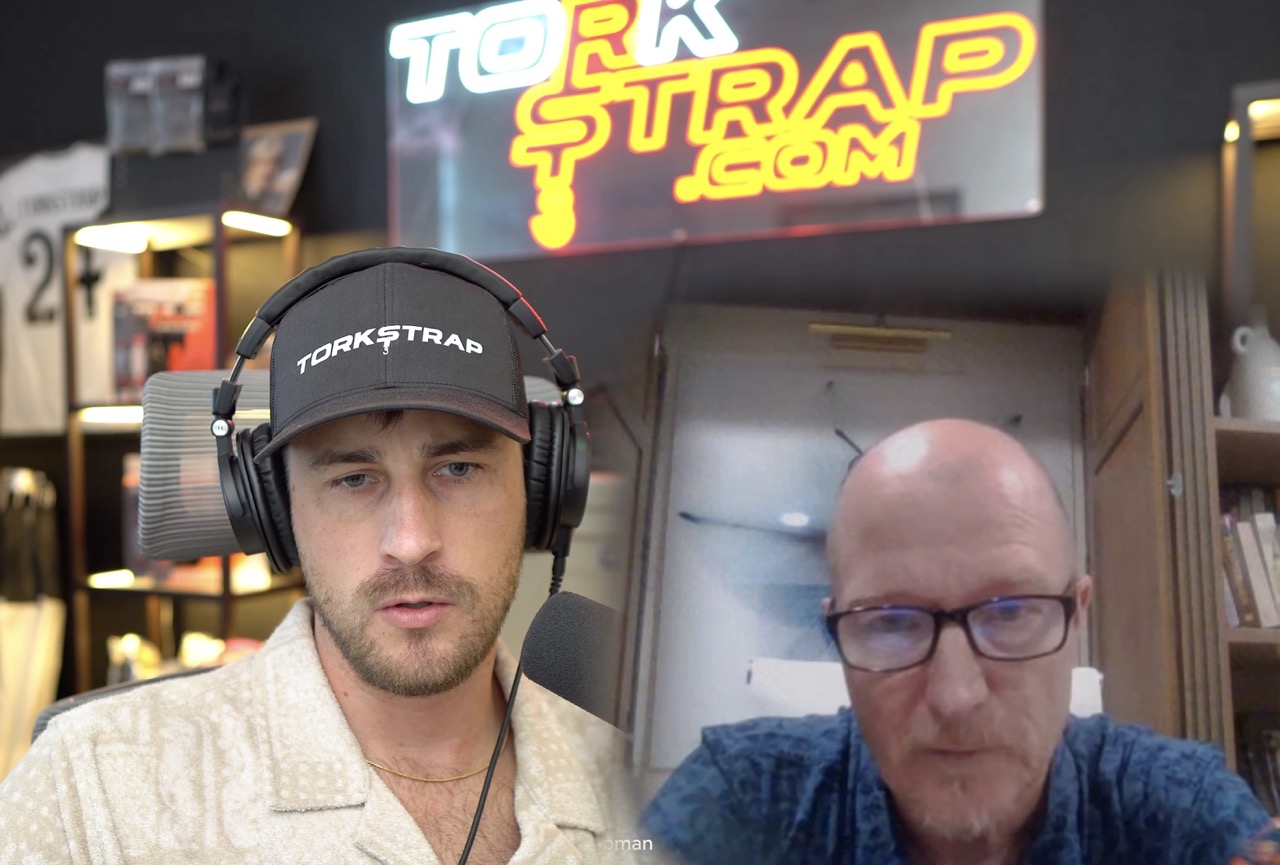
^Grant Martin interviewing Ed Schoppman, COO of Weather Gear on how he positions his invention for a 90% gross profit margin
A product can solve a real problem and still fail as a business.
Before spending heavily, you need rough unit economics.
Think through:
|
Cost Area |
Question to Ask |
|
Product cost |
What might one unit cost to make? |
|
Tooling or molds |
Will there be setup costs? |
|
Packaging |
Does it need custom packaging? |
|
Shipping |
Is it heavy, fragile, oversized, or expensive to ship? |
|
Returns |
Is it likely to be misunderstood or returned? |
|
Platform fees |
Will you sell on Amazon, Shopify, retail, or wholesale? |
|
Advertising |
How much might it cost to acquire a customer? |
|
Retail margin |
Can the product survive wholesale pricing? |
|
Profit per unit |
Is there enough left after all costs? |
Example:
If your product costs $12 to manufacture and land, and you sell it for $29.99, you still need to account for packaging, shipping, payment fees, returns, ads, storage, and overhead.
If you plan to sell wholesale or retail, the numbers get tighter because retailers need margin too.
A simple question:
Can this product make money at a price the buyer is willing to pay?
If the answer is unclear, do not rush into manufacturing.
Use this future internal link when live: how to manufacture an invention.
9. You Can Identify the First Sales Channel
A product idea is stronger when you know where the first buyers will come from.
Possible first channels include:
- Shopify
- Amazon
- TikTok Shop
- YouTube demos
- Influencer partnerships
- Email list
- Local retailers
- Trade shows
- Direct outreach
- Niche communities
- Industry groups
- Farmers markets, fairs, or local events
- B2B sales calls
Do not say, “We will sell everywhere.”
Start narrower.
Ask:
- Where does this buyer already spend time?
- Where do they already buy similar products?
- Does the product need demonstration?
- Is it better for Amazon search, social video, retail shelves, or direct sales?
- Can I reach buyers affordably?
- Can I show the product working in a short video?
Invent With Me teaches inventors to think beyond the idea itself and build real product businesses through validation, prototyping, sourcing, manufacturing, marketing, and sales. If your invention has early demand signals but you are unsure how to move forward, join the Invent With Me community or attend the monthly inventor webinars.
Strong vs Weak Demand Signals
Use this table before spending money.
|
Weak Signal |
Stronger Signal |
|
Friends say it is a good idea |
Strangers ask when they can buy |
|
People say they like the concept |
People join a waitlist |
|
A company says it has potential |
Buyers ask about price |
|
A prototype looks polished |
Users test it and give practical feedback |
|
A market report says the category is large |
A specific niche audience responds |
|
You think it solves a problem |
Buyers describe the problem in their own words |
|
Someone says “cool idea” |
Someone pays, preorders, or shares it with another buyer |
|
You have a patent idea |
Buyers show interest in the product outcome |
|
You have a big target market |
You can identify a specific first buyer group |
The strongest signals involve behavior, not compliments.
Invention Demand Test Scorecard
Score each question from 0 to 2.
|
Question |
Score 0 |
Score 1 |
Score 2 |
|
Is the problem clear? |
No |
Somewhat |
Very clear |
|
Is the buyer specific? |
No |
Broad group |
Specific buyer |
|
Are current alternatives weak? |
No |
Some gaps |
Clear repeated complaints |
|
Do strangers understand it quickly? |
No |
With explanation |
Yes |
|
Do people ask about price or availability? |
No |
Occasionally |
Repeatedly |
|
Can you test it cheaply? |
No |
Maybe |
Yes |
|
Do the rough numbers work? |
No |
Unclear |
Yes |
|
Is there a clear first sales channel? |
No |
Maybe |
Yes |
|
Total Score |
Meaning |
|
0–5 |
Too early to spend serious money |
|
6–10 |
Keep testing before major investment |
|
11–14 |
Promising, but validate price and buyer behavior |
|
15–16 |
Strong early signal; consider the next investment carefully |
This scorecard is not a guarantee. It is a decision filter.
If you score low, your idea may need more research, a clearer buyer, a better message, or a cheaper test.
If you score high, your next step may be a rough prototype, pricing test, patent conversation, supplier research, or strategic consulting.
What to Do Before Spending Money
Before you pay for anything, test the right assumption first.
|
If You Are Considering Paying For… |
Test This First |
|
Patent help |
Is the idea worth protecting and commercially promising? |
|
Prototype design |
Can a rough version test the core function? |
|
CAD or engineering |
Do you need technical proof or just a better-looking concept? |
|
Market research |
Can you speak directly with buyers first? |
|
Invention promotion services |
Can the firm provide written disclosures and documented outcomes? |
|
Manufacturing |
Do you know target cost, sales channel, and buyer demand? |
|
Branding |
Do buyers understand the product and value already? |
|
Advertising |
Does the message work organically or with a small test? |
|
Licensing help |
Do you understand whether licensing is realistic for this product? |
|
Consulting |
Do you know the exact decision you need help making? |
The right service at the wrong time can still waste money.
For a broader pre-spending framework, also use this related internal link when published: The Invention Idea Checklist.
Be Careful Paying for “Validation” Before You Understand the Signals
There are legitimate patent professionals, product designers, engineers, manufacturers, marketers, and invention educators.
But be careful with high-fee invention promotion firms or low-transparency services that make your idea sound promising before the evidence supports it.
The Federal Trade Commission warns that dishonest invention marketers may lie about profit potential to get inventors to pay for expensive, often useless services. Source: FTC invention marketing scams.
Red flags include:
- They say your idea has huge potential before real analysis.
- They pressure you to act quickly.
- They charge large upfront fees before clear deliverables.
- They make licensing sound easy or likely.
- They sell generic market research as proof.
- They sell virtual prototypes as validation.
- They avoid written success-rate disclosures.
- They do not explain the total cost.
- They make you feel foolish for asking questions.
- They are more interested in selling services than testing the market.
Before paying, ask:
- What exactly am I buying?
- What is the total cost?
- Is the work custom or template-based?
- Who owns the work?
- What results are guaranteed?
- What results are not guaranteed?
- How many customers made net financial profit?
- How many customers received licensing agreements?
- Can I review the contract before paying?
- Can I speak with real past customers?
The USPTO says invention promoters must disclose specific information in writing before an invention promotion contract, including the number of evaluated inventions, customers served, customers known to have received net financial profit, and customers known to have received license agreements as a direct result of the promoter’s services. Source: USPTO scam prevention.
The USPTO also publishes invention promoter and promotion firm complaints for public awareness, although it does not investigate those complaints or participate in legal proceedings. Source: USPTO invention promoter complaints.
Do not pay for hope. Pay for clearly defined help when the evidence supports the next step.
What to Do Next If Your Invention Shows Strong Demand Signals
If your invention shows promising demand signals, do not jump straight to the most expensive option.
Move one step forward.
A practical path might look like this:
- Take the Free Inventor Validator.
- Write a one-sentence product statement.
- Identify the buyer.
- Study alternatives and reviews.
- Talk to potential buyers.
- Create a simple landing page or demo.
- Test the message and price.
- Build a rough prototype.
- Get user feedback.
- Estimate cost and margin.
- Decide whether patent, manufacturing, marketing, licensing, or consulting is the right next step.
If patent protection may matter, understand the process before spending. The USPTO patent process overview begins with deciding whether a patent is right for you and searching for similar inventions. Source: USPTO patent process overview.
If you want direct support, consulting with Grant gives inventors access to monthly private consulting, webinars, and community support.
FAQs
How do I know if my invention will sell?
- You cannot know with certainty before launch, but you can look for evidence. Strong signs include a clear buyer, a painful problem, weak current alternatives, strangers asking about price, waitlist signups, preorders, prototype feedback, and realistic profit margins.
What is the best way to test if people want my invention?
- Start with buyer interviews, competitor review research, a simple landing page, a short demo video, waitlist signups, prototype testing, and small preorder tests. The goal is to measure action, not compliments.
Is asking friends and family enough to validate an invention?
- No. Friends and family may be supportive, but they are not reliable market validation. Better validation comes from strangers, potential buyers, niche communities, retailers, or people willing to take action.
Should I patent my invention before testing if it will sell?
- Not always. Patent strategy can matter, but a patent does not prove demand. First, understand the buyer, problem, current alternatives, and commercial potential. Then speak with a qualified patent professional if protection becomes strategically important.
What is a strong sign that my invention has demand?
- A strong sign is buyer behavior. Examples include people asking about price, joining a waitlist, requesting a demo, preordering, paying a deposit, testing a prototype, or asking when they can buy.
How much money should I spend before validating my invention?
- Spend as little as possible until you have real demand signals. Start with research, interviews, sketches, a demo video, landing page, or rough prototype before committing to expensive services.
Are invention promotion companies a good way to find out if my invention will sell?
- Be cautious. Some services may be legitimate, but inventors should verify claims, ask for written disclosures, check complaints, understand total costs, and avoid pressure-based sales tactics. The FTC and USPTO both provide guidance on invention promotion risks.
What should I do if my invention gets weak feedback?
- Do not quit immediately. Look for patterns. The problem may be real, but the buyer, price, design, message, or sales channel may need adjustment. Weak feedback is useful if it tells you what to test next.
Conclusion
Do not ask only whether people like your invention.
Ask whether buyers show behavior.
Do they understand the problem?
Do they compare it to something they already use?
Do they ask the price?
Do they join a waitlist?
Do they test a rough prototype?
Do they preorder?
Do the numbers work?
Can you reach the first buyers affordably?
That is how you start learning whether your invention may sell before you spend serious money.
Inventors do not need more hype. They need evidence, sequence, and a practical path.
Before paying for patents, prototypes, market research, invention promotion services, manufacturing, branding, ads, or licensing help, take the Free Inventor Validator and get clearer on whether your idea is ready for the next step.